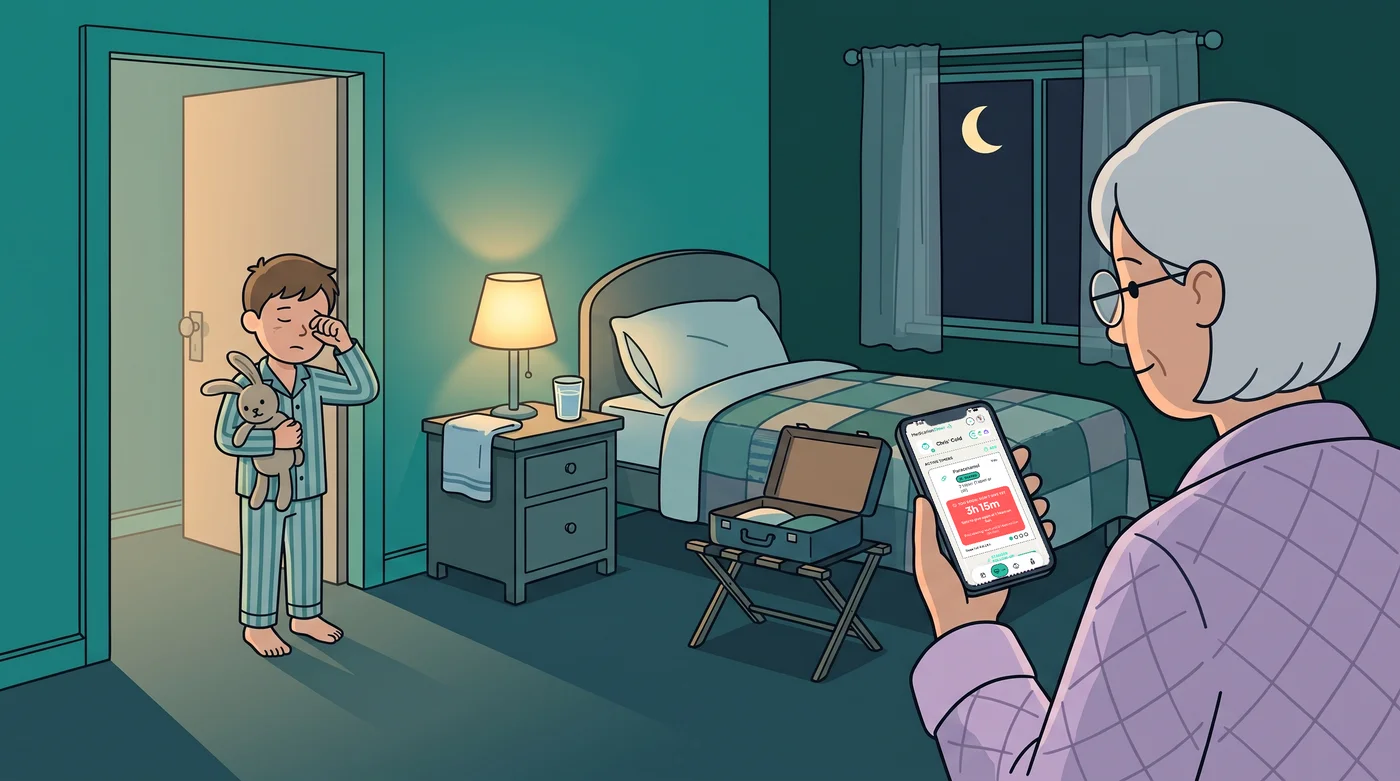
A child wakes up warm at 2 am. A parent is travelling for work. A grandparent has a daily routine that cannot be overlooked. In those moments, a private family health tracker is not about creating more data. It is about giving the people who care for your household one clear, trusted place to see what has happened, what is scheduled, and what still needs attention.
Family health information is personal by nature. It can also become scattered quickly: a note on the fridge, a text thread between caregivers, a photo of a label, and a half-remembered conversation from earlier in the day. That fragmentation adds work when your family needs clarity most. A privacy-first tracker brings the record together, so sensitive details stay with the people you have chosen to share them with.
Why families need a private health record
Most health apps are designed around one person. That can work for an individual routine, but family care is rarely handled by one person alone. Parents trade off bedtime responsibilities. Relatives help after school. Partners coordinate appointments and daily tasks. Adult children may support an older family member from another home.
The challenge is not simply remembering a task. It is knowing whether someone else has already completed it. Without a shared record, caregivers can spend time sending follow-up texts or, worse, make assumptions when the information is not immediately available.
A private tracker creates a living household record. Instead of asking, “Did anyone log that?”, caregivers can check a current, shared view. Instead of rebuilding an illness timeline from messages, they can review readings and symptoms in the order they were recorded.
Privacy matters just as much as convenience. Family health details should not become a source of advertising profiles or be treated as a product. It is worth choosing a tool that is built around protecting your family’s data rather than using it for advertising.
What a private family health tracker should organise
The best system does not ask caregivers to become data managers. It makes common household tasks easier to capture and easier to understand later. For many families, that starts with individual profiles, so each person’s routines and records stay distinct even when everything is managed in one place.
In Medication Timer, each family member has their own profile, with their routines and reminders on Today and each scheduled dose marked taken or skipped as it happens (Free + more with Family Care). The free plan covers everyday routines for a household, and Family Care removes the routine and reading limits for larger households.
Medication routines and dose timing
Medication schedules can be difficult to coordinate across a household, particularly when several people help with routines. A tracker can organise recurring schedules, record completed doses, and make the current status visible to the caregivers you have invited.
Timers for as-needed medications can be especially useful for coordination. They create a clear reference point for when the last dose was logged and count down against the interval your household has set from the label, pharmacist or clinician. That reduces the guesswork when caregivers change shifts or check in from different places. The tracker should support the schedule your family has been given, rather than trying to make decisions for you.
Illness sessions, symptoms, and readings
When illness strikes, time can blur. It is easy to forget when a temperature was taken, whether a symptom was already recorded, or what changed between morning and evening. An illness-specific tracking session keeps those observations together for one person and one episode.
That structure matters because scattered messages do not tell a story. A dated timeline of health readings and symptoms gives a family a clearer record of what they observed. It can also make it easier to communicate accurately with the appropriate care professional when needed, without relying on memory during a stressful conversation.
In Medication Timer, that is a Care session (Free). Start one for the family member who is unwell, and their as-needed timers, temperatures and symptoms sit together on one timeline. When everyone is well again, end the session and archive it, so the Care tab is clear and the history is kept.
Shared care without shared confusion
A family tracker should make sharing intentional. Not every household has the same care arrangement. Some families need two parents to stay aligned. Others include grandparents, a babysitter, or adult siblings who help with specific responsibilities.
Look for caregiver sharing that lets the household decide who is invited. The goal is not to bring everyone into a stream of notifications. It is to give the right people an up-to-date view, so care tasks are coordinated and conversations are shorter, clearer, and more useful.
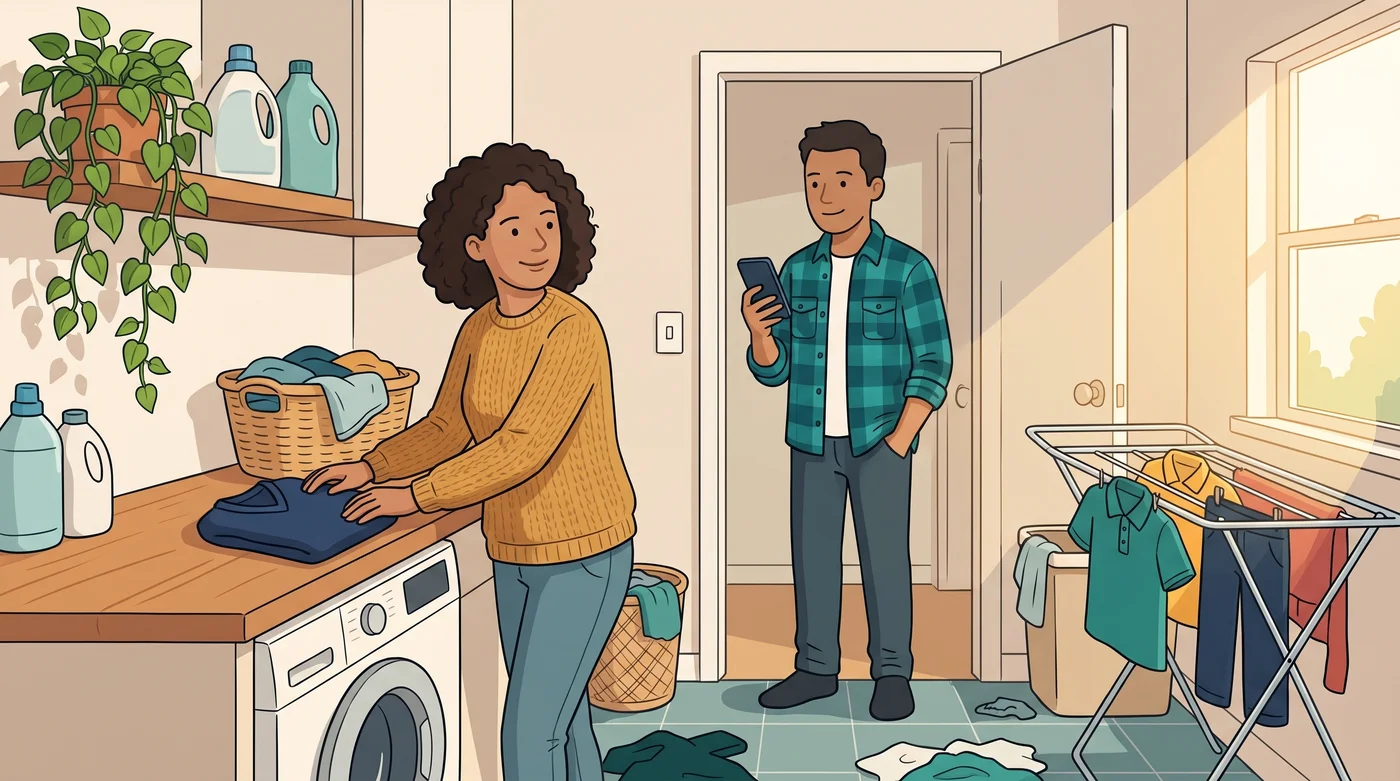
With household sharing on Family Care, you invite each caregiver from Sharing & Access, and everyone signs in with their own account. Once a family member is shared, their timers show who logged the last dose and when, so a partner, grandparent or babysitter can check before giving anything. When an arrangement ends, you can revoke access from the same screen.
Privacy is a feature, not fine print
A private family health tracker earns trust through its design choices. Families should not have to wonder whether sensitive entries will appear in an advertising system, be sold to another company, or be used in ways they did not expect.
Before choosing a platform, consider a few practical questions. Can you see who the record is currently shared with? Can you remove someone when a caregiving arrangement changes? Does the company explain its data practices in plain language? Is the service designed around family coordination rather than attention-grabbing ads?
There is a trade-off worth recognising. A simple memo app may feel familiar and fast, while paper records never require an account. But those options can become unreliable when several people need the same current information. A family-focused tracker adds structure, deliberate sharing, and a consistent record. For many households, that added organisation is what protects privacy in practice, because fewer sensitive details need to be copied across texts, email threads, and informal reminders.
How to set up a tracker your family will actually use
The most useful system is the one caregivers can maintain on an ordinary Tuesday, not just during a difficult week. Start small. Add the people in your household who need tracking, then set up the routines that happen most often. You do not need to recreate every health document you have ever received.
Agree on a simple household rule: log a dose when it is given, and add readings or symptoms when they happen. Consistency is more valuable than perfection. If one caregiver usually handles mornings and another handles evenings, both should be able to see the same current status before they begin.
It also helps to decide what belongs in the tracker and what does not. Medication routines, timing records, readings, and symptoms are useful because they support day-to-day coordination. Personal conversations, unrelated paperwork, or details no caregiver needs to act on may not need to be included. A focused record is easier to review and less likely to be ignored.
Finally, revisit who the record is shared with from time to time. Care arrangements change with school terms, travel, family visits, and new responsibilities. Keeping the list of invited caregivers current is part of keeping the record private.
A household tool for calm, coordinated care
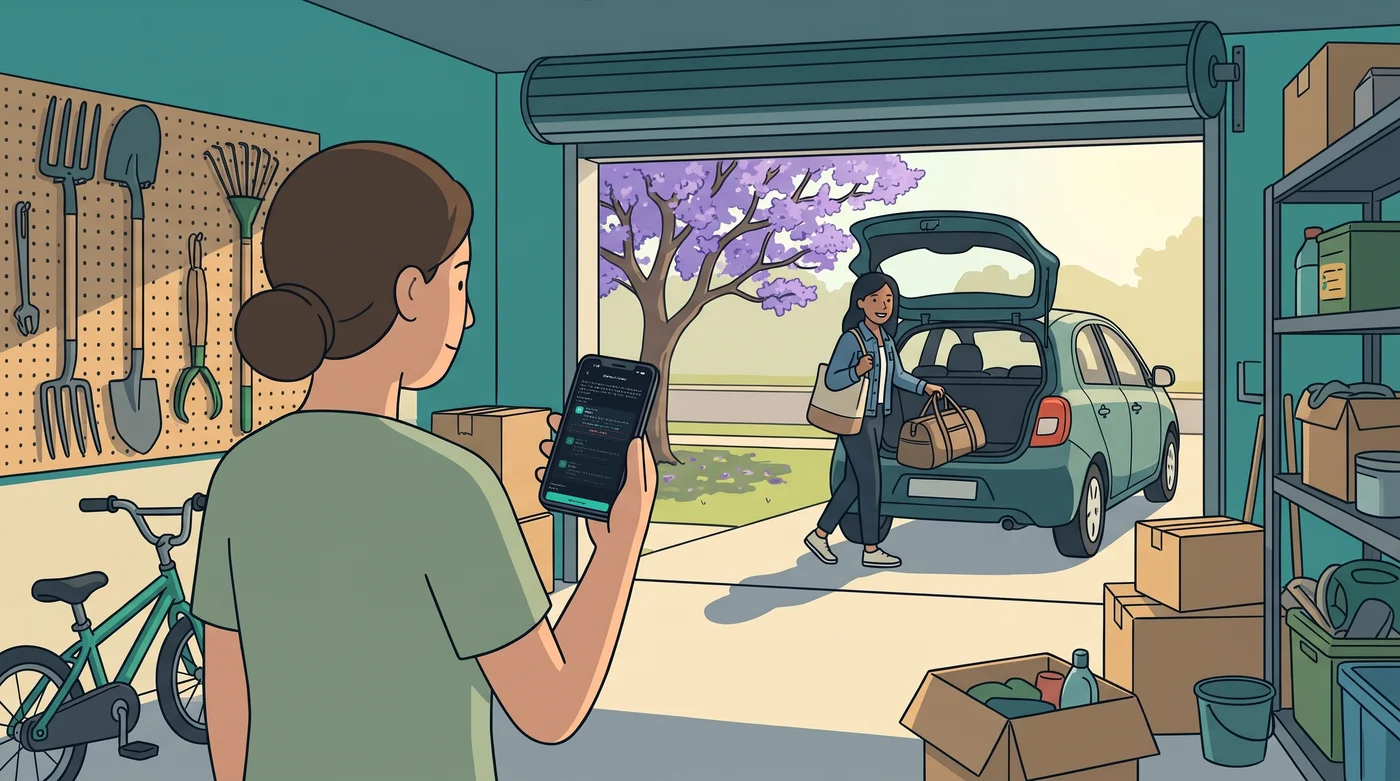
Medication Timer is designed around a simple idea: every dose, every family member, one trusted place. It brings medication tracking, as-needed timers, recurring routines, Care sessions, health readings, and household sharing into one family-centred app. There are no third-party ads, and the privacy policy states that your medication list and health conditions are never shared with advertisers or third-party services.
That does not mean every household needs the same level of tracking. A family with one daily routine may want a clean reminder and a shared record of each dose. A household caring for children, older relatives, or several people at once may benefit from separate profiles and more detailed timelines. The right setup depends on your family’s responsibilities, the number of caregivers involved, and how often information gets lost between handovers.
What matters is having a dependable record before the next busy morning, late-night fever check, or caregiver handover. When everyone can see the same information in one private place, family care can feel less like a chain of urgent messages and more like shared responsibility handled with care.
Questions? Browse the help centre or contact support from Profile in the app.