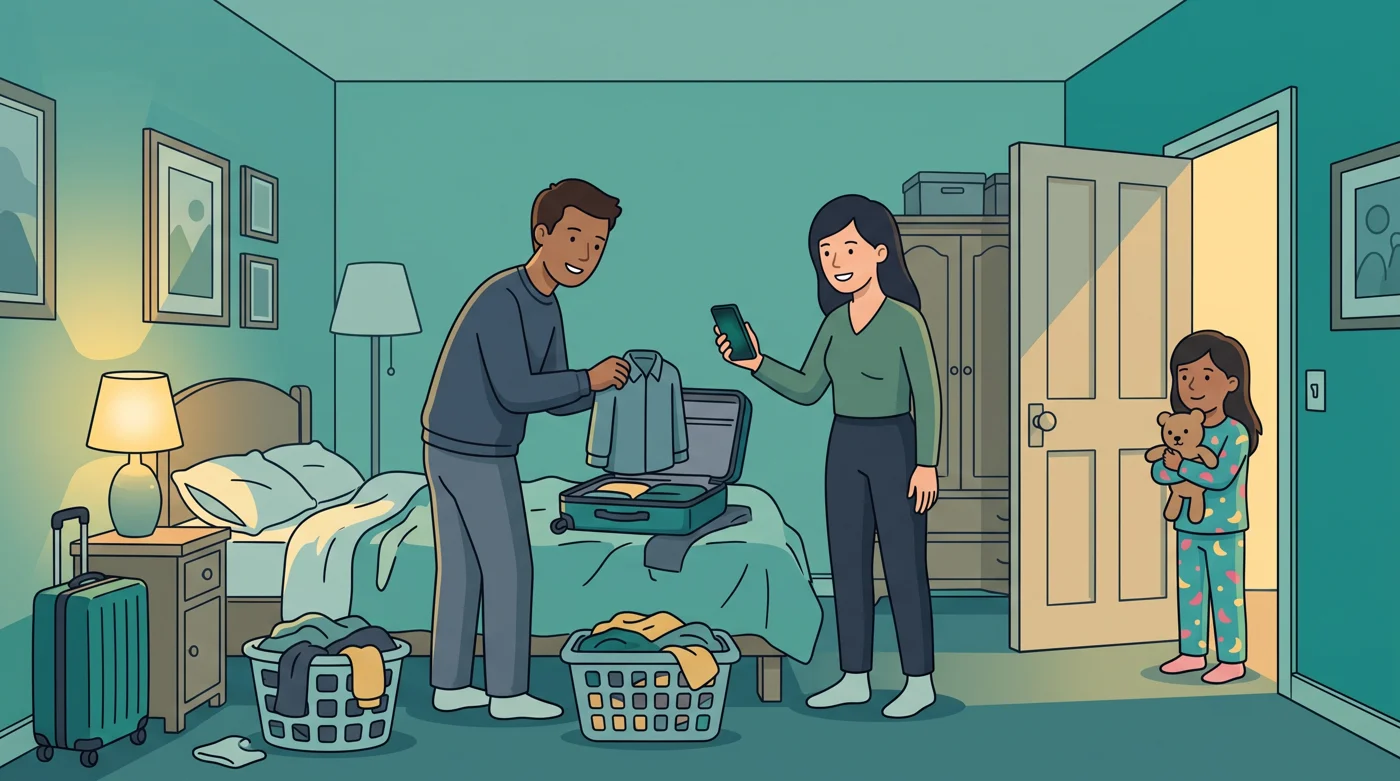
A missed reminder is stressful. A second caregiver wondering whether a dose was already logged can be worse. When a household is managing routines for children, adults, and older relatives, memory, paper notes, and scattered text messages leave too much room for confusion.
This digital medication records guide explains how to build a clear household system for schedules, dose logs, health readings, and caregiver updates. It is about organisation and communication, built around the instructions your family already has from the label or your healthcare professional.
What digital medication records should do
A digital medication record is more than a list of names and reminder times. For a family, it should answer the practical questions that come up in the middle of a busy morning, at school pickup, or during a difficult night: Who is this record for? What is scheduled? What has been logged? Who completed it? What information needs to be shared with another caregiver?
The strongest systems reduce the need to reconstruct events from memory. Instead of one person holding all the details in their head, the household has one trusted place to check. That creates calmer handoffs between parents, guardians, relatives, and anyone who shares care responsibilities.
A useful record also separates routine organisation from illness tracking. Daily schedules need consistency. When illness strikes, families often need a temporary place to note timing, symptoms, temperatures, and observations without turning the regular routine into a confusing stream of notes.
Start with the people, not the medication list
The most common setup mistake is creating one long household list. That may seem efficient at first, but it becomes hard to scan when multiple family members have different routines. A record should begin with a distinct profile for each person receiving care.
Use a name or clear household label that every caregiver recognises. Then keep each person’s scheduled items, history, and health readings connected to that profile. This preserves context. A reminder should never force a caregiver to guess which family member it belongs to.
For each profile, capture only the practical details needed to organise care according to existing instructions. That may include the item name, the scheduled time or recurrence, a brief label that distinguishes similar items, and the relevant household notes. Keep wording plain. “Morning routine” is often more useful to a tired caregiver than a complicated naming system.
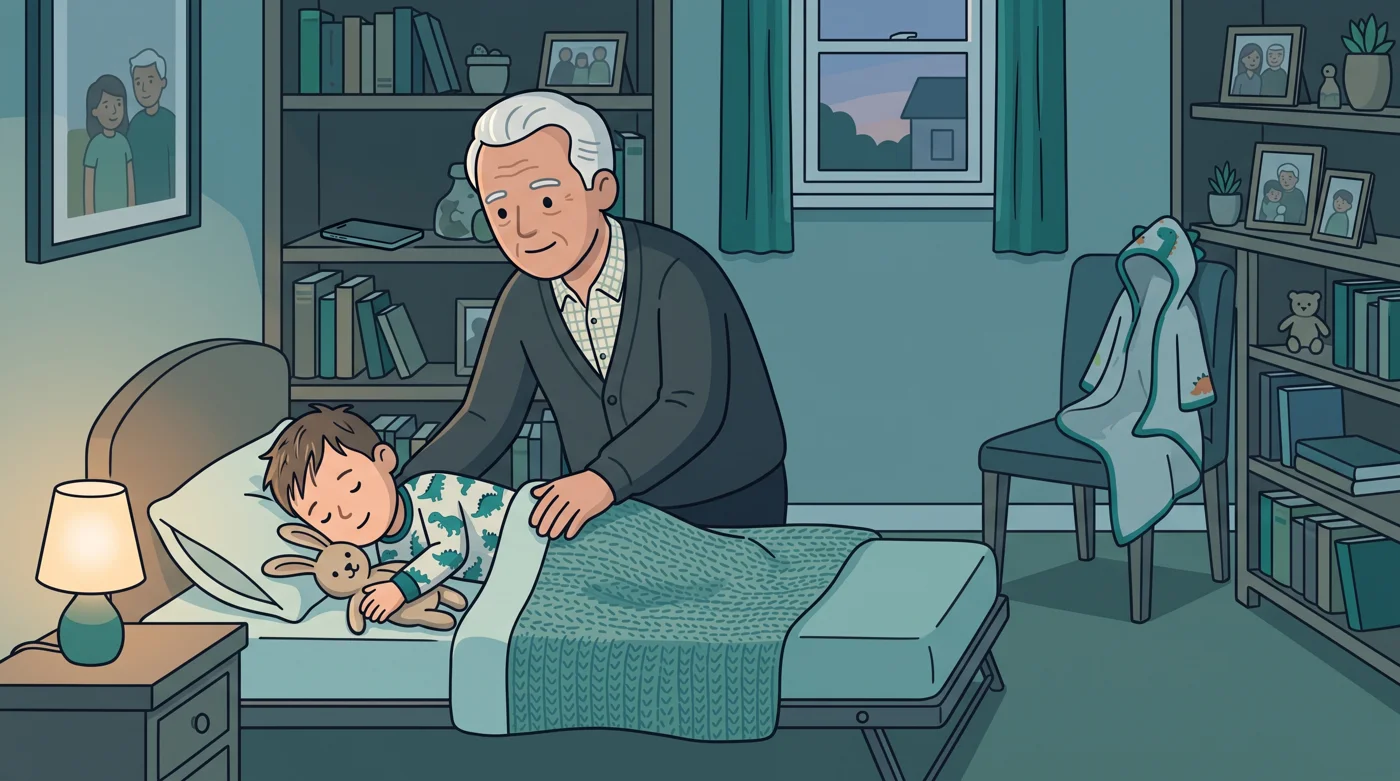
If your household includes an older relative, a co-parent who travels, or a babysitter who occasionally helps, decide early which family members and medications each person needs to see, and who usually logs what. Shared visibility is valuable, but clear roles are valuable too. A record works best when everyone knows whether they are checking, recording, or following up.
Build a schedule people can actually follow
The goal is not to create the most detailed schedule possible. The goal is to create one your household can use accurately on an ordinary day.
Start with recurring routines that are already predictable, such as before school, after dinner, or bedtime. Grouping reminders around real household moments can make the plan easier to follow than a collection of disconnected alarms. A digital record should support the routine your family already has, while making each completed log visible.
Then make a separate plan for items that are only used when needed. These are often where uncertainty appears, especially when more than one caregiver is involved. A safety timer can show when a prior event was logged and help the next caregiver pause before acting on incomplete information. It is an organisational safeguard, not a substitute for following the instructions provided for that item.
Avoid using reminder text to store every possible detail. Overloaded alerts are easy to ignore. Keep the reminder clear, and place supporting context inside the family member’s record where it can be reviewed when needed.
Make completion visible
A reminder alone does not tell the household what happened. A completed log does. Each time someone records an event, the system should preserve the time and make that status visible to authorised caregivers.
That small detail prevents a familiar chain of messages: “Did anyone handle this?” “I think so.” “What time?” A shared record replaces uncertainty with a quick check. It also creates a useful history for a caregiver who joins later in the day.
There is a trade-off: logging every event requires a little consistency. The answer is not to demand perfect documentation from day one. Start with the routines where missed information creates the most household stress. Once logging becomes part of the flow, expand from there.
Create a separate space for illness days
Routine care and illness days create different kinds of information. During an illness, caregivers may be watching changes over several hours or days, coordinating shifts, and trying to remember what was observed at a particular time. A dedicated illness tracking session keeps that information together without cluttering the everyday record.
A practical session can include timestamps for health readings, symptom observations, notes about rest or comfort, and relevant medication logs. Use neutral, factual language. Record what happened and when, rather than trying to interpret it inside the app.
This is especially helpful when caregivers trade places. One person can open the record and quickly see the recent timeline instead of relying on a verbal recap that may be incomplete. If you need to communicate with a healthcare professional, an organised timeline can help your family describe what has been recorded more clearly.
A digital record does not assess anything. Its role is to make household information easier to capture, review, and share responsibly.
Decide what belongs in the record
Families often hesitate because they think a digital record must be exhaustive. It does not. A focused system is more likely to be maintained.
The most helpful categories usually include:
- Recurring medication schedules and completion logs
- As-needed event logs with safety timers
- Temperatures and other health readings your household chooses to track
- Brief symptom or observation notes during illness sessions
- Caregiver updates that explain a change in routine or a handoff
Keep notes short and objective. “Logged at 8:10 pm” or “Grandparent covering bedtime routine” is clear and useful. Long narrative entries can bury the information the next caregiver needs most.
It also helps to establish a simple household convention. For example, agree that whoever completes an event logs it right away, and that a caregiver checks the record before sending a question by text. The record then becomes the first source of truth, rather than another task sitting beside multiple message threads.
Protect privacy while sharing care
Family coordination requires access, but access should be deliberate. Health information is personal, even within a close household. Choose a system that lets you share with the caregivers who truly need it and review access when responsibilities change.
Privacy also means considering how the platform handles your information. Families deserve tools built for care coordination, not advertising. A privacy-forward approach, with no ads and no sale of health data, helps keep the focus where it belongs: supporting your household.
Set practical boundaries as well. Use individual accounts when possible rather than sharing one password. Remove access for temporary caregivers when their role ends. In Medication Timer, each caregiver is invited from Sharing & Access with their own login, you choose which family members and medications you share with them, and you can revoke access at any time (Family Care). If a child is old enough to help with their own routine, agree which parts still need an adult to check.
Review the record before it becomes confusing
A digital record should be maintained, not set up once and forgotten. Household needs change. A routine may end, a caregiver’s availability may shift, or an illness session may no longer be relevant.
Set a brief review point every few weeks or whenever the household routine changes. Check that profiles are accurate, recurring reminders still match your family’s current plan, and old notes are not creating clutter. This takes only a few minutes when the system is organised from the start.
Medication Timer is designed around this family-centred approach: every dose, every family member, one trusted place. Its shared household structure, recurring routines, safety timers, and illness tracking sessions help bring order to both ordinary days and stressful ones. Today shows what was due and what was logged for each person, and timer cards on shared households show who logged the last dose. Routines, timers and Care are on Free; sharing between caregivers is part of Family Care, priced in-store for your region.
The best digital medication record is not the one with the most fields. It is the one your family can trust when someone is tired, rushed, or stepping in to help. Build it around clear ownership, timely logs, and shared visibility, and it can give your household a steadier place to begin each day.
Questions? Browse the help centre or contact support from Profile in the app.